
 By Admin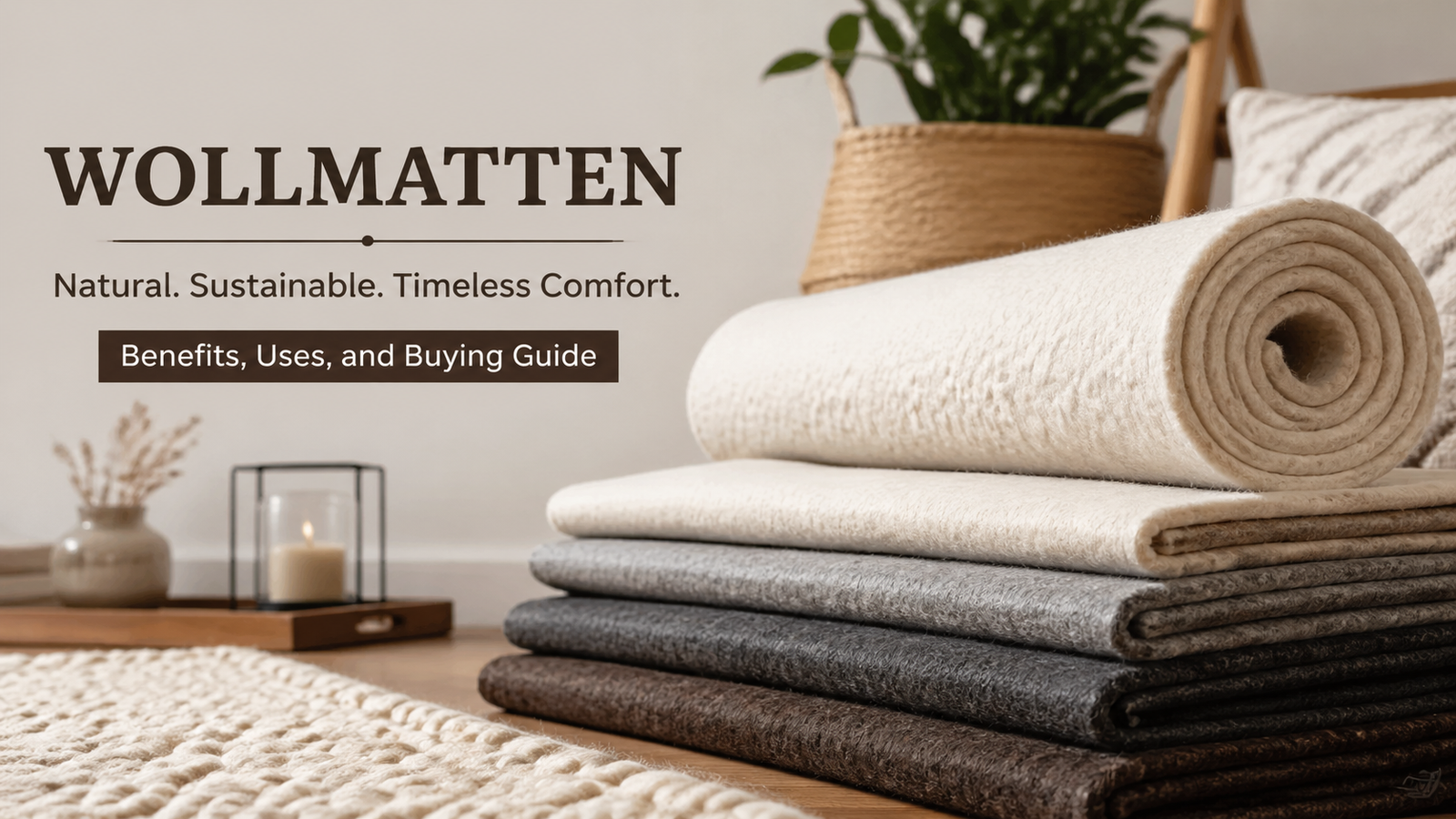
You might have heard the word Wollmatten and wondered, “Isn’t that just a wool rug?” Well, it’s a bit more interesting than that — and honestly, it’s more versatile than most people give it credit for.
Wool. It’s ancient. People have used it for thousands of years — from clothing to blankets, carpets, and more. That natural fiber, straight from sheep and other animals, has some impressive qualities.
But a Wollmatte — in simple terms — is a mat made from wool or wool-like material. It can be used in homes, for yoga, insulation, or even to improve indoor air quality. Let’s unpack that slowly because there’s more to it than you might think.
What Exactly Is a Wollmatte?
A wool mat — Wollmatte — is essentially just that: a mat made from wool fibers. But it’s not always just a basic floor covering:
- Sometimes it’s a yoga mat (yes, wool yoga mats are real).
- Other times, it’s a natural deodorizing mat used in homes after renovations.
- And in some places, wool mats are used as pressing pads for quilting or crafting.
So, you see? It’s not just a decorative piece on the floor — it’s much more functional.
A mat is simply “a covering placed on a flat surface” — and wool is one of the most versatile fibers humans have ever used.
The Benefits of Wollmatten
Wool has some natural advantages. You might feel them before you even fully understand them.
| Activity | Why It’s Useful |
|---|---|
| Moisture Regulation | Wool can absorb a lot of moisture without feeling wet, which makes it great for regulating indoor humidity. |
| Natural Odor Neutralization | Wool naturally traps and neutralizes odors, unlike synthetic materials. |
| Insulating | It insulates against both heat and cold, thanks to tiny air pockets within the fiber. |
| Biodegradable | Wool breaks down naturally when its lifecycle ends. |
| Sustainable | Wool regenerates every year on sheep, making it a renewable resource. |
Wool mats can even be placed in rooms after construction or renovation to help neutralize harmful gases like formaldehyde that are released by paint and adhesives. These gases can linger for years, but wool helps absorb them naturally, without any chemicals.
Different Types of Wollmatten
Let’s break down some of the common uses of wool mats — and you’ll see they’re not one‑size‑fits‑all.
1. Wool Yoga Mats
Yes, wool yoga mats exist — and they’re gaining popularity.
- Lightweight but supportive.
- Wool has lanolin, which helps it repel dirt and odors naturally.
- These mats are great for gentle yoga practices but not necessarily ideal for intense, sweaty workouts.
It’s not your everyday yoga mat, but if you prefer something natural, eco-friendly, and luxurious, a wool mat might be exactly what you’re looking for.
2. Room Mats for Air Purification
Here’s a cool one — wool mats actually neutralize harmful gases like formaldehyde, which is common after renovations. People often place these mats on the floor or even hang them on walls to absorb these pollutants over time.
It acts like a natural filter, and it’s eco-friendly — much better than using chemical-based air purifiers.
3. Crafting and Pressing Mats
Wool mats are also used as pressing pads for quilting and sewing. These mats help to press seams flat more effectively and allow you to iron from both sides at once.
Craft enthusiasts appreciate wool mats because they offer just the right amount of cushion and firmness, making them ideal for ironing and other delicate tasks.
Care: Because It’s Natural
Wool doesn’t like harsh chemicals, but the good news is that it’s pretty low-maintenance. Wool mats tend to self-clean to some extent, but they still need a little extra care to stay fresh.
Here’s how you can take care of your wool mats:
- Air them out – periodically leave them outside in fresh air.
- Brush gently – this will help fluff the fibers and remove dust.
- Preserve the lanolin – this natural wool oil helps repel dirt.
You might notice a slight wool scent when it warms up — that’s just the lanolin in action, and it’s completely normal.
Not All Perks (Because Humans Talk…)
Wool is great, but like anything, it has its downsides too.
- Liquid spills can quickly soak in, so clean them up fast.
- Wool mats require a bit more care than synthetic alternatives.
- They can be a bit slippery when used for yoga if you’re sweating a lot.
But honestly, once you experience the softness and the natural fiber underfoot or hands, you’ll likely overlook those minor inconveniences.
Some Surprising Benefits Beyond the Mat
Holistically, wool does some amazing things for your environment:
✔ Better indoor humidity – wool absorbs excess moisture and releases it when the air is dry.
✔ Natural odor neutralization – it performs better than most synthetics when it comes to keeping rooms smelling fresh.
✔ Keeps warm in winter, cool in summer – wool naturally balances temperature, making it comfortable all year round.
✔ Hypoallergenic – fewer dust mites, making it better for allergy sufferers.
So wool mats aren’t just comfortable underfoot; they work with your body and space, contributing to a healthier environment.
To Wrap It Up: Should You Have a Wollmatte?
Maybe.
Honestly, if you’re a fan of natural materials, care about your indoor air quality, or just want something that’s soft and comfortable, wool mats are definitely worth checking out.
They’re:
- Natural instead of synthetic
- Functional beyond beauty
- Good for climate and comfort
They might not be as cheap as synthetic mats, and they do need a bit of care, but they are certainly interesting. If you’re looking to improve your home or workspace’s health and comfort, a wool mat could be a great start.