
 By Admin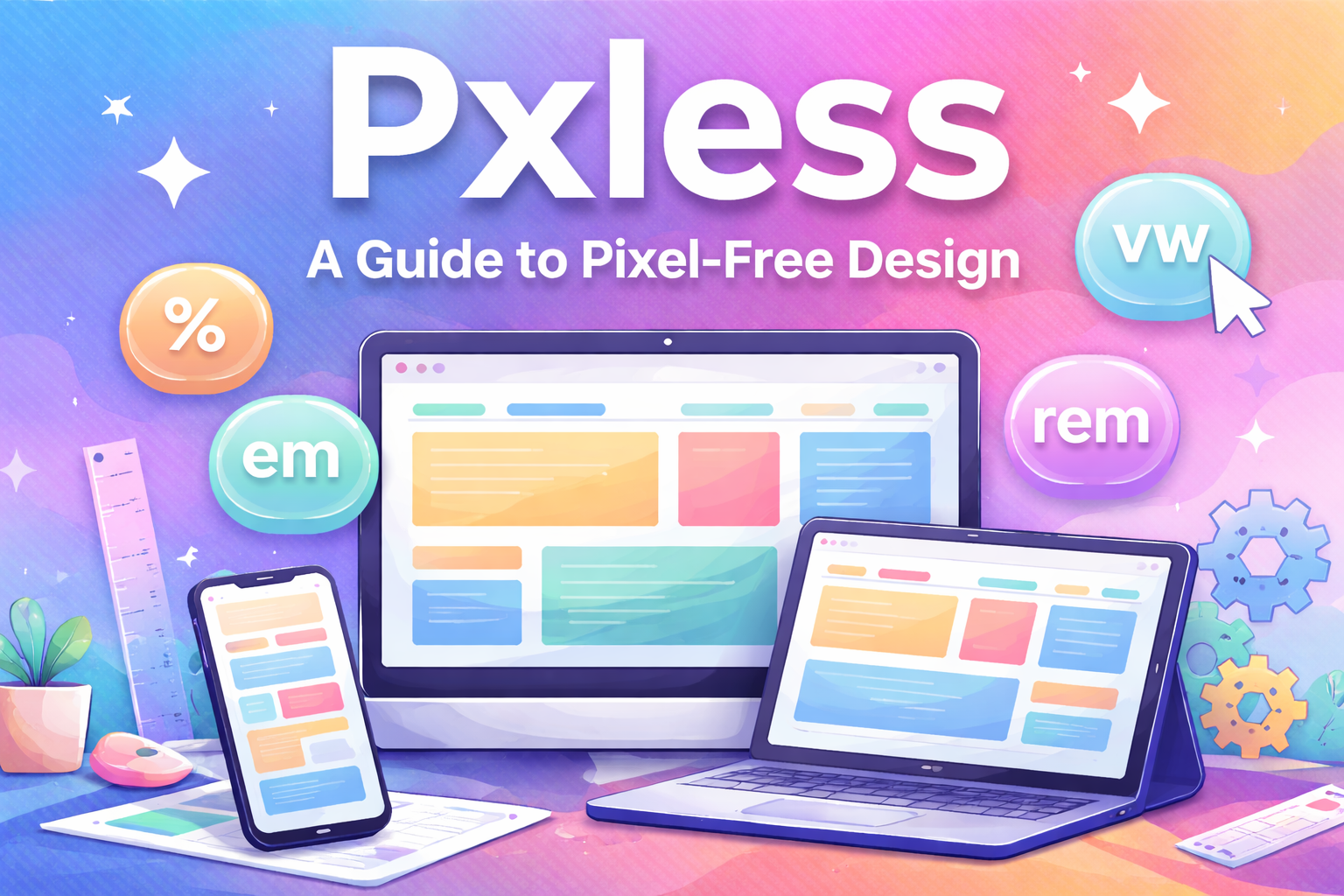
So… you’ve probably heard about Pxless recently, right? It sounds techy and complicated, but honestly — it’s simpler than it seems.
At its core, Pxless is about letting digital designs breathe. No more rigid pixel rules. No more layouts breaking on tiny phones or massive monitors. Just smooth, adaptable, and flexible design that works everywhere.
And yes, that matters more than you might think.
What Exactly Is Pxless?
Think of Pxless like this: instead of saying, “This box must be 300 pixels wide,” you say, “This box should adjust naturally depending on the screen.” Simple.
It’s not just a technique; it’s a mindset.
- Flexible instead of rigid
- Adaptive instead of strict
- User-first instead of design-first
Basically, Pxless prioritizes people over pixels.
Why We Need Pxless
The world has gone crazy with devices. Phones, tablets, laptops, smart TVs… even smartwatches!
Pixel-perfect layouts? They just don’t work anymore. They break. Text goes tiny, buttons overlap, and users… get frustrated.
Pxless solves that by:
- Adapting automatically to every screen
- Scaling text and spacing for accessibility
- Letting you maintain one design instead of five
Honestly, it’s a relief.
How Pxless Works
Instead of pixels, Pxless uses relative units that adjust naturally.
Common Pxless Units
| Unit | Meaning | Use Case |
|---|---|---|
| % | Relative to container | Layout widths |
| em | Relative to element | Buttons, spacing |
| rem | Relative to root font | Typography |
| vw / vh | Relative to viewport | Full-page sections |
| vmin / vmax | Smallest/largest side | Adaptive layouts |
These units let everything scale smoothly. So your layout never breaks — even when someone zooms in on their phone.
Key Features of Pxless
Pxless isn’t just flexible — it’s powerful.
- Fluid layouts — everything adapts to screen size
- Scalable typography — readable on all devices
- Accessibility-first — works with zoom and assistive tech
- Easy maintenance — one design works for all devices
- Optimized performance — lighter, faster pages
And let’s be honest — once you try it, going back to pixel-perfect feels outdated.
Pixel-Based vs Pxless
| Feature | Pixel-Based Design | Pxless Design |
|---|---|---|
| Flexibility | Low | High |
| Responsiveness | Limited | Excellent |
| Accessibility | Weak | Strong |
| Maintenance | Difficult | Easy |
| Future-ready | Not really | Absolutely |
Pixel-perfect is still useful for static graphics. But for modern web experiences, Pxless wins every time.
Real-Life Examples
You’re already using Pxless, even if you didn’t know it:
- Websites that resize perfectly on phones
- Apps where text adjusts automatically
- Blogs that stay readable when zoomed
- Dashboards that rearrange content depending on screen
That smooth experience? Yup — that’s Pxless in action.
Benefits
For Designers
- Less stress over exact measurements
- Faster workflow
- Easier updates
For Developers
- Cleaner, scalable code
- Fewer bugs
- Smoother responsive behavior
For Users
- Better experience on any device
- Readable content without squinting
- Faster-loading pages
Oh, and Google loves responsive, mobile-friendly sites — bonus for SEO.
Common Mistakes
Even Pxless can go wrong if you’re not careful:
- Mixing px and relative units randomly
- Skipping real device testing
- Overcomplicating layouts
- Forgetting accessibility
Keep it simple. Flow over precision. That’s the trick.
The Future of Pxless
Pixel-perfect is fading. Foldable screens, AR devices, and smart TVs are just the beginning.
Pxless makes your designs:
- Ready for new devices
- Flexible to user preferences
- Scalable and smooth
And honestly… in today’s digital world, that flexibility isn’t optional — it’s essential.
Quick Recap
Pxless = freedom from pixels.
- Flexible layouts that adapt
- Scalable text and spacing
- Accessible, future-ready designs
It’s not just a trend — it’s the modern way to design for everyone.
FAQs
What is Pxless?
Designing without strict pixel measurements using scalable units like %, em, rem, vw/vh.
Is Pxless better than pixel-perfect design?
For responsive websites and apps — yes. It adapts automatically to any device.
Can beginners use Pxless?
Absolutely. You just need a small mindset shift from “exact” to “flexible.”
Final Thoughts
Pxless isn’t complicated… it’s smart.
It’s about letting your design flow, adapt, and breathe. And in a world full of devices, that’s exactly what we need.