
 By Admin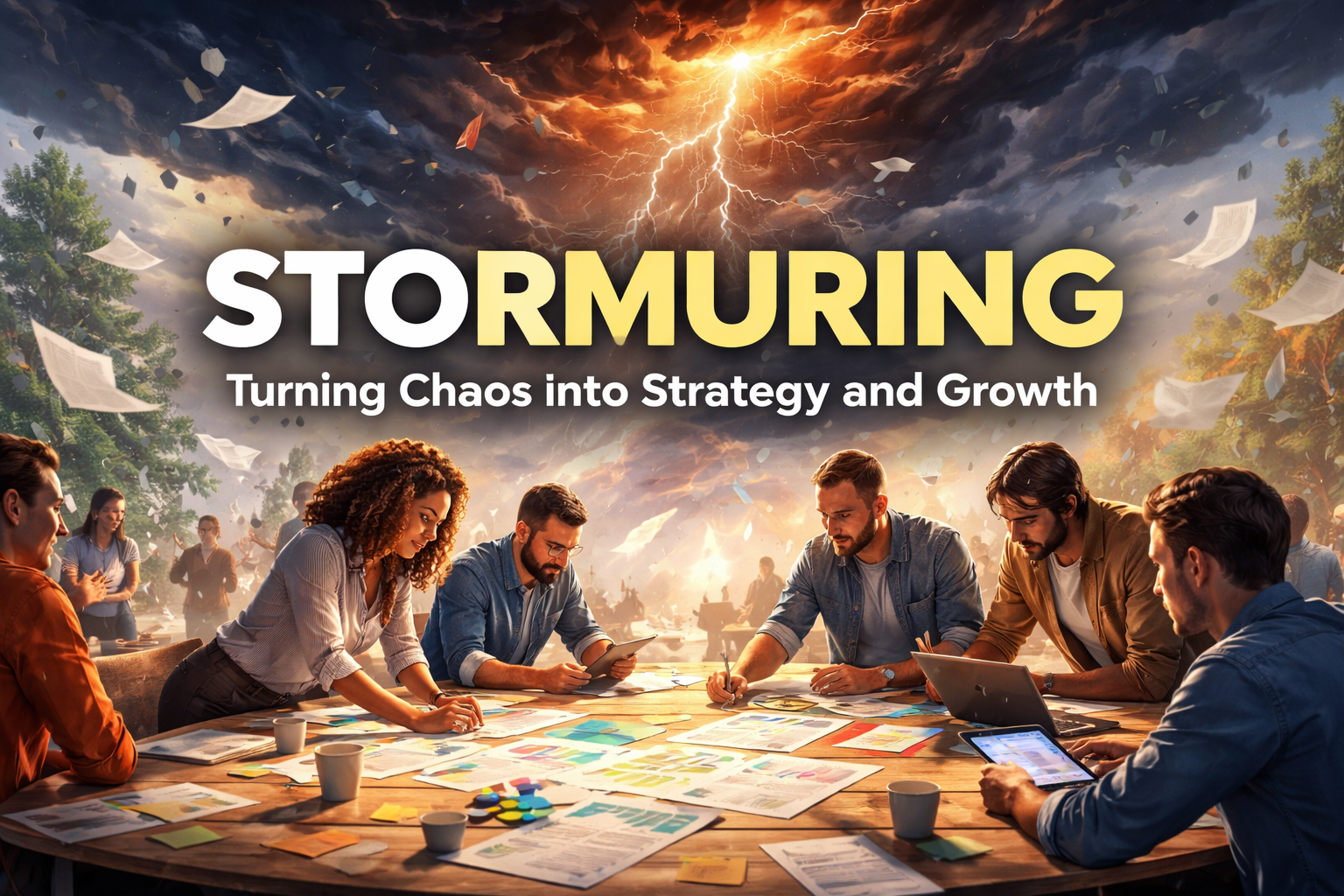
Ever feel like everything’s spinning out of control? Like, no matter what you plan, life throws a storm at you? That’s where Stormuring comes in. And no—it’s not some corporate buzzword. It’s a way of thinking. A way to take all that chaos and actually make something out of it.
What Stormuring Really Means
Stormuring is a mix of two things: “storm” and “structuring”.
- Storm = mess, disruption, sudden change
- Structuring = putting order, figuring out what works
Put together, it’s basically about turning problems into action.
Instead of panicking or freezing when life throws challenges, Stormuring teaches you to move through it smartly.
- You don’t fight the storm.
- You ride it.
- You shape it.
It works in business, creativity, even your daily life.
How Stormuring Works in Real Life
Most people confuse it with brainstorming. Sure, brainstorming is chaotic ideas flying everywhere. Stormuring is different. It’s chaos plus a plan.
Here’s a simple way to picture it:
- Something goes wrong (storm hits)
- List out ideas—even wild ones
- Sort them into things that might work
- Try them, fail a bit, adjust
- Repeat until it clicks
And yes… sometimes you’ll start over. That’s fine. That’s part of the process.
Why Stormuring Actually Helps
Here’s the deal: the world is messy. Markets shift, trends change, people get weird. Stormuring helps you stay calm, focused, and effective.
- Decisions get faster (because you already have a system)
- Risks feel smaller (you know how to respond)
- Creativity actually leads to results, not just ideas
- Stress? Way easier to handle
It’s like having a map in the middle of a storm—except you also know how to sail.
A Step-by-Step Guide
You can do Stormuring anywhere—work, school, home, even hobbies.
Step 1: Accept the mess
Don’t fight the chaos. It’s coming anyway.
Step 2: Observe carefully
What’s really happening? What’s urgent, what’s not?
Step 3: Let ideas flow
Write everything down. No judgment.
Step 4: Organize them
Group the ones that make sense. Throw out stuff that’s clearly impossible.
Step 5: Take action
Pick one. Try it. Adjust.
Step 6: Learn from the outcome
Each attempt gives you info for next time.
Types of Stormuring
Stormuring isn’t just a business thing. It’s flexible:
| Type | How It Works | Example |
|---|---|---|
| Business | Turn market chaos into strategy | Pivot your startup when sales drop |
| Personal | Solve life problems | Handle stress or tough decisions |
| Creative | Make ideas tangible | Create content, art, or designs |
| Digital | Improve online results | SEO + social media + content mix |
Stories of Stormuring
Think of these like mini-examples:
- A small cafe loses a supplier. They experiment with local options… end up with a unique product that sells more.
- A blogger’s first video flops. They tweak it, learn from comments, next video goes viral.
- A company faces budget cuts. Instead of panicking, they reorganize… find better efficiency.
See? Chaos becomes opportunity.
Mistakes to Avoid
Even humans mess this up. Common pitfalls:
- Staying in chaos too long, no action
- Overthinking every idea
- Throwing out ideas too quickly
- Trying to control everything (can’t do that)
The key: balance. Plan, try, adapt. Repeat.
Future of Stormuring
Stormuring isn’t a fad.
- Businesses are adopting it for flexible planning
- Creatives use it for structured experimentation
- Digital marketers combine it with SEO strategies (openpr.com)
Basically, anyone dealing with uncertainty can benefit.
FAQs
Q: Is Stormuring only for big companies?
A: No, it’s for anyone. You can use it at work, home, or school.
Q: Is it just another brainstorming method?
A: Not really. Stormuring structures ideas into actionable results.
Q: Can beginners do it?
A: Absolutely. Just follow the steps, don’t overthink.
Bottom Line
Stormuring is about working with chaos, not running from it.
Life is messy. Markets are messy. Even creativity is messy.
But with Stormuring, you take that mess…
You sort it, shape it, and make it work.
And somewhere along the way…
You start seeing storms not as threats, but as opportunities.