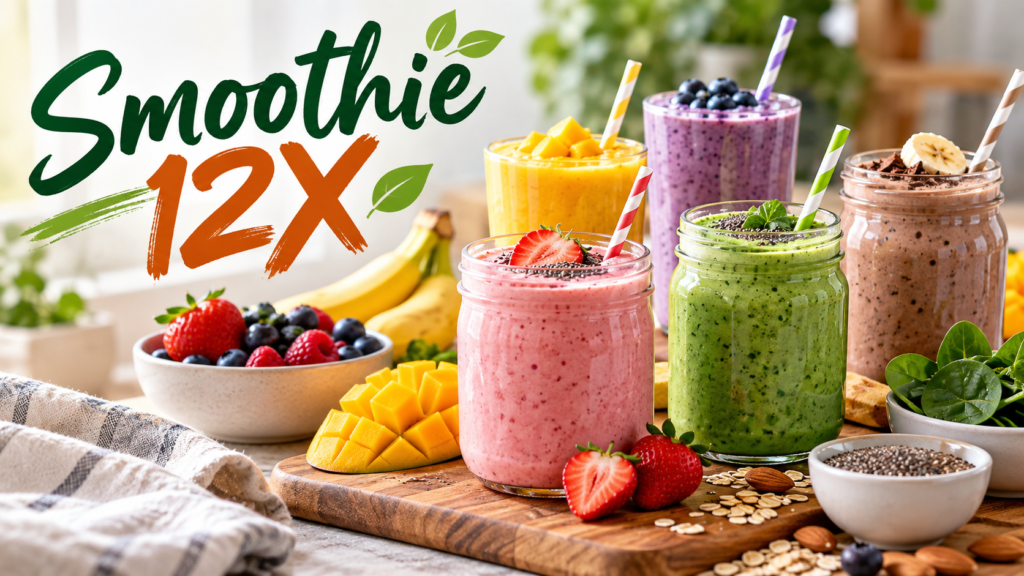
Finding a drink that tastes good and fits into a busy daily routine isn’t always easy. Some mornings, there’s barely enough time to prepare breakfast, let alone plan a balanced meal. That’s one reason smoothies have become a popular choice for people who want something refreshing, convenient, and easy to customize.
The idea behind smoothie 12x can be explored through the growing interest in smoothie varieties, creative ingredient combinations, and simple ways to enjoy fruit and vegetables. Whether you’re looking for breakfast inspiration or an afternoon refreshment, understanding what goes into a smoothie can help you make better choices.
What Makes Smoothies So Popular?
Smoothies are usually made by blending fruits, vegetables, and a liquid base until the mixture becomes smooth and creamy. Depending on the recipe, ingredients such as yogurt, oats, nuts, and seeds can also be included.
Their biggest advantage? Flexibility.
You don’t need an expensive blender or a long list of ingredients to make something enjoyable. A banana, a handful of berries, and some milk can be enough to get started.
According to Johns Hopkins Medicine, smoothies can provide protein, fiber, vitamins, and other nutrients when they’re prepared with suitable ingredients.
And there’s plenty of room to experiment. Some people prefer thick, creamy blends, while others enjoy lighter fruit combinations that are easy to drink on the go.
Exploring Smoothie 12X and Different Flavor Combinations
When exploring smoothie 12x as a smoothie inspiration keyword, it’s helpful to consider the different flavors and ingredient combinations that people enjoy. The right mix depends on your personal taste, dietary needs, and the time you have available.
Here are a few combinations worth trying at home:
- Banana and peanut butter: A creamy option with a rich, nutty flavor.
- Strawberry and yogurt: A fruity blend with a smooth texture.
- Mango and pineapple: A tropical combination that’s especially refreshing when served cold.
- Spinach and green apple: A fresh-tasting option for anyone wanting to include more vegetables.
- Blueberry and oats: A thicker blend that works well for breakfast.
You can adjust these recipes to suit your preferences. For example, frozen fruit makes a smoothie thicker without requiring much ice. Unsweetened milk or water can also help control the overall sweetness.
Choosing Ingredients for a Better Smoothie
Not every smoothie offers the same nutritional value. A drink made with whole fruit, plain yogurt, and seeds can be quite different from one containing large amounts of syrup, sweetened juice, or ice cream.
Tufts Health & Nutrition Letter recommends using whole fruits and vegetables, limiting added sweeteners, and including protein and healthy fats where appropriate.
The following table offers a simple starting point.
| Ingredient | What it contributes | Best use |
|---|---|---|
| Banana | Carbohydrates, fiber, creamy texture | Breakfast blends |
| Berries | Flavor, fiber, and vitamins | Fruity smoothies |
| Plain yogurt | Protein and calcium | Creamy recipes |
| Oats | Carbohydrates and fiber | More filling blends |
| Chia seeds | Fiber and healthy fats | Small nutritional additions |
| Spinach | Vitamins and minerals | Green smoothies |
| Unsweetened milk | Liquid and, depending on type, protein | Everyday recipes |
The exact nutritional content depends on the quantities, brands, and other ingredients you use.
How to Make a Smoothie at Home
You don’t need to follow a complicated recipe. Start with a few ingredients, taste the result, and make small adjustments.
A simple strawberry-banana smoothie
Ingredients:
- 1 medium banana
- 1 cup strawberries, fresh or frozen
- ¾ cup milk or an unsweetened alternative
- ½ cup plain yogurt
- A few ice cubes, if needed
Instructions:
- Wash the strawberries and remove their green tops.
- Peel the banana and break it into smaller pieces.
- Add the fruit, milk, and yogurt to a blender.
- Blend until the mixture reaches your preferred consistency.
- Add a little more liquid if it’s too thick, then serve.
There’s no need to add sugar straight away. Taste the fruit first, since ripe bananas and strawberries can provide plenty of natural sweetness.
Are Smoothies Suitable for Everyday Use?
For many people, smoothies can be a convenient way to include fruit and vegetables in their regular eating routine. They can work as a breakfast, a snack, or part of a meal, depending on the ingredients and portion size.
Still, a few things deserve attention:
- Watch added sugar. Sweetened yogurt, syrups, and fruit drinks can increase the sugar content.
- Consider portion size. Large smoothies can contain more calories than expected.
- Include variety. Rotate fruits and vegetables rather than relying on one recipe every day.
- Add protein when appropriate. Yogurt, milk, or suitable alternatives can make a smoothie more substantial.
- Keep your overall diet balanced. Smoothies shouldn’t automatically replace every whole-food meal.
People managing blood sugar levels or following a medically recommended diet may need to pay particular attention to ingredients and portions.
Making Smoothie Choices That Suit Your Lifestyle
The best smoothie isn’t necessarily the one with the most ingredients or the fanciest name. It’s the one that suits your taste, fits your routine, and meets your nutritional needs.
If smoothie 12x is a term you’re exploring while looking for new smoothie ideas, start with familiar ingredients and experiment gradually. Try different fruit combinations, compare textures, and check nutrition labels when purchasing ready-made drinks.
One final tip: keep frozen fruit in your freezer. It makes preparation easier, reduces waste, and gives you a quick option when fresh ingredients aren’t available.
Healthy eating doesn’t have to be complicated. Sometimes, a few everyday ingredients and a little creativity are all you need to make something you’ll genuinely enjoy.